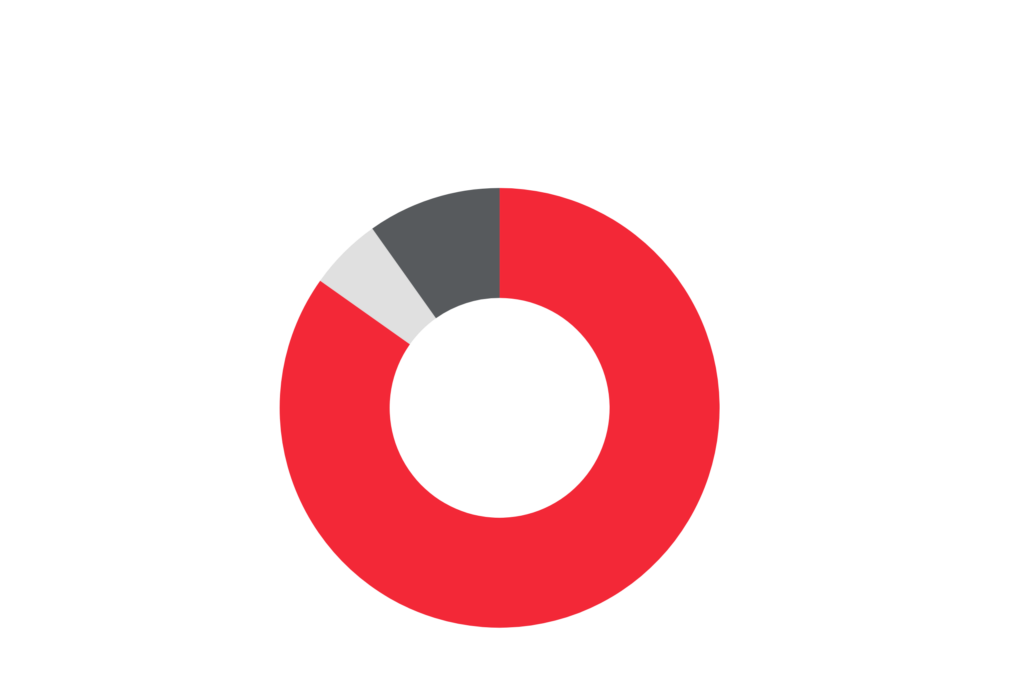
In 2025, the Nonhuman Rights Project advanced its mission of securing fundamental legal rights for nonhuman animals. Across five states, we represented 21 nonhuman animal clients in litigation and engaged more expert witnesses than in any prior year, strengthening the factual and scientific foundation of our cases.
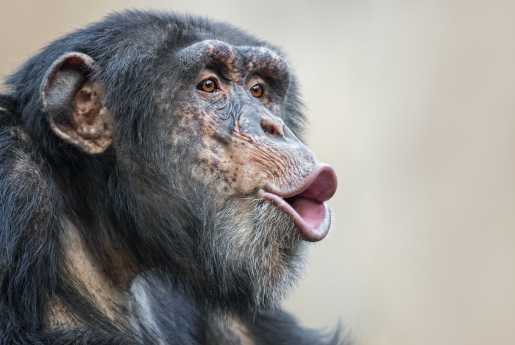
Courts engaged with our petitions through oral argument and written decisions addressing fundamental questions about animals' status under the law, and several produced meaningful progress. In Michigan, the Court of Appeals acknowledged that courts possess the common law authority to recognize our chimpanzee clients' right to liberty. And in New York, a court relying on our amicus arguments recognized a dog as an "immediate family member" for the purpose of an emotional distress claim under the state's common law.
Our cases also advanced the legal status of animals in ways that go beyond written opinions. In Pennsylvania, the case we filed in 2025 led to a court issuing a habeas corpus order on behalf of elephants held captive at the Pittsburgh Zoo, only the third time in U.S. history a court has issued such an order. The very act of issuing such an order treats the animal as a subject of the legal system rather than an object of it.
Even where courts did not grant the relief we sought, the direct engagement itself matters. Courts have no reason to examine the assumption that nonhuman animals should be treated as mere "things" unless someone raises the question. Our cases put that question squarely before judges, requiring them to explain in the public record why fundamental principles of justice should not extend to nonhuman animals. Each hearing, each decision, each written opinion creates reasoning that future courts, advocates, and scholars must reckon with, building toward a legal system that recognizes nonhuman animals as beings whose most basic interests can be protected by law.
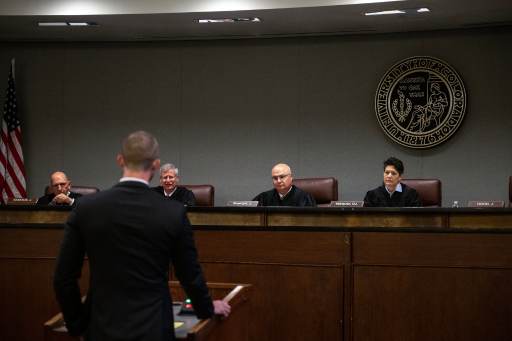
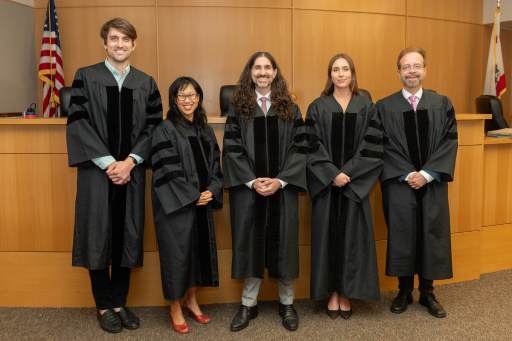


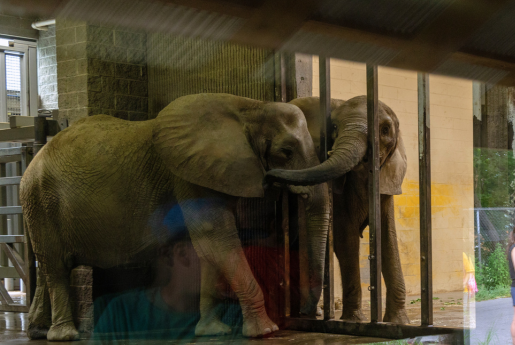
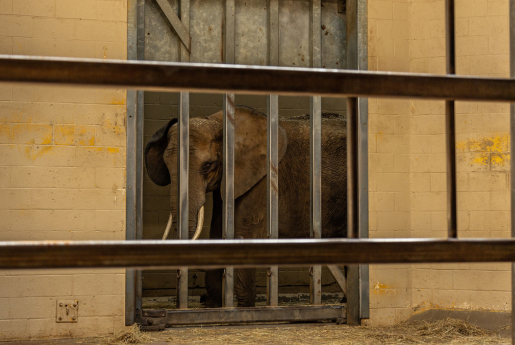
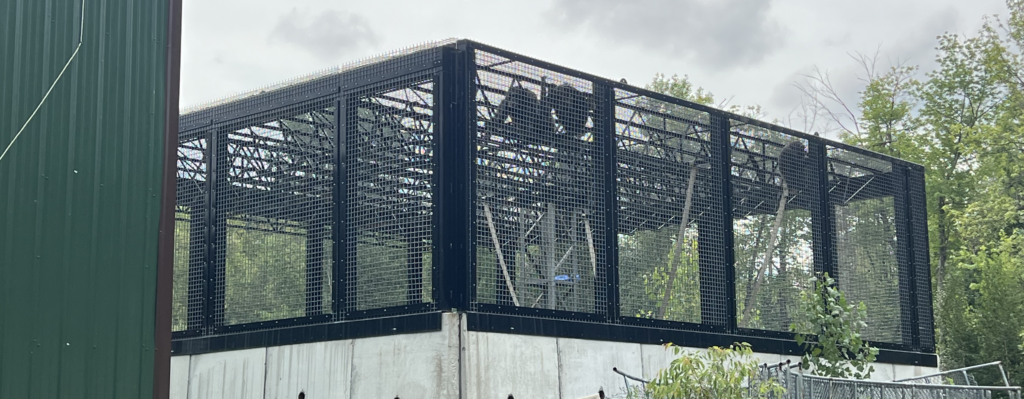
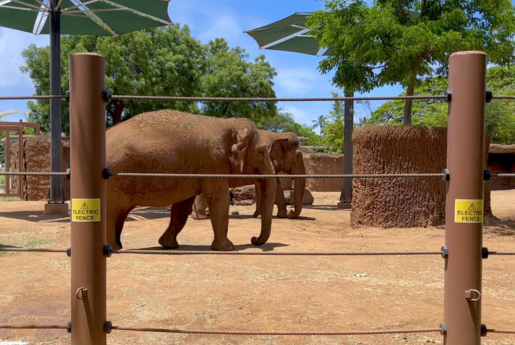
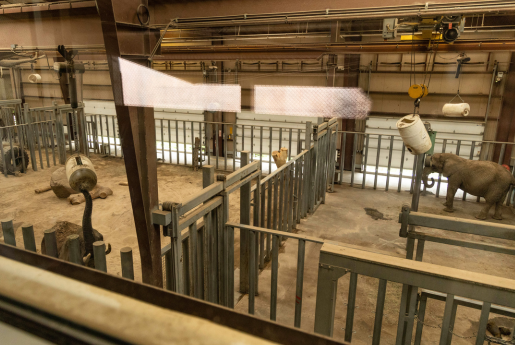 In January 2025, the Colorado Supreme Court issued its opinion in our longstanding case to secure recognition of their right to bodily liberty and their release to an accredited sanctuary. This marked only the second time in history that a U.S. state high court addressed whether the fundamental liberty right protected by habeas corpus extends to a nonhuman animal (our New York case on behalf of the elephant Happy was the first).
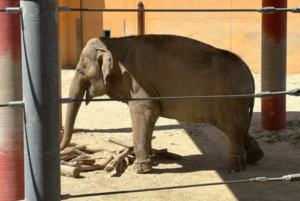 In ruling that elephants do not possess an interest in liberty, the Court acknowledged that the allegations in our petition, accepted as true, “demonstrated the elephants would be better off in an accredited elephant sanctuary.” Yet it declined to look past their nonhuman biology, disregarding scientific evidence and fundamental principles of justice, liberty, and equality. We challenged this reasoning in a petition for rehearing, urging the Colorado Supreme Court to reconsider its decision. The Court denied rehearing. In doing so, it leaves in place a decision that makes clear the legal barriers that must be overcome to secure recognition of nonhuman animals’ right to liberty.